Can an Innocent Person Fail a Polygraph Test? Truth About Lie Detectors
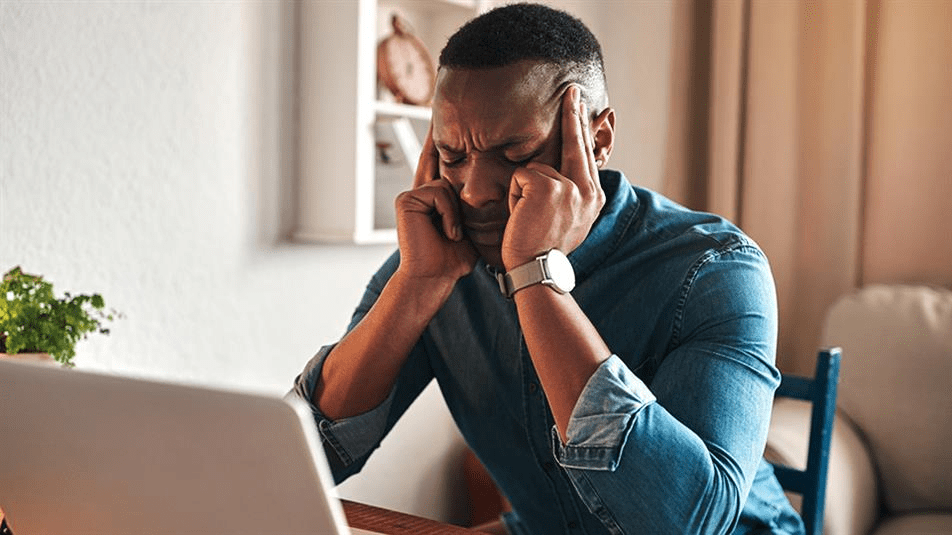
You walk into a stark room. Wires connect to your chest, fingers, and arm. A machine hums softly beside you. The examiner assures you that if you're telling the truth, you have nothing to worry about. But your heart races anyway. Your palms sweat. You know you're innocent, yet suddenly you're terrified the machine will say otherwise.
This nightmare scenario plays out more often than most people realize. The short answer is yes, innocent people absolutely can and do fail polygraph tests. The more troubling reality is that these failures happen frequently enough to raise serious questions about why we still use these machines at all.
What Actually Happens During a Polygraph
A polygraph doesn't detect lies. This bears repeating because the nickname "lie detector" creates a dangerous misconception. The machine measures physiological responses: your heart rate, blood pressure, breathing rate, and skin conductivity (how much you sweat). The examiner asks you questions and watches these measurements spike and dip.
The underlying assumption seems straightforward: when people lie, they experience stress, and stress triggers measurable physical changes. But this assumption crumbles under scrutiny because it ignores a crucial fact—telling the truth under interrogation also causes stress, especially when the stakes are high.
Read Also: What is the Rice Purity Test? Understanding Your Score
Why Innocent People Fail
Several factors conspire to produce false positive results:
The Anxiety Paradox
The anxiety paradox creates the most common problem. Imagine someone accuses you of a crime you didn't commit. As electrodes attach to your body and a stranger prepares to judge your truthfulness, your nervous system goes haywire. Your body reacts to the fear of being wrongly accused, the intimidating environment, and the knowledge that your entire future might hinge on squiggly lines on a chart. The machine reads this anxiety as deception.
Innocent people often feel more nervous than guilty ones because they have more to lose. A guilty person might feel relieved to finally confess, while an innocent person faces the horror of being disbelieved despite telling the truth.
The Fear Feedback Loop
The fear of the test itself creates a self-fulfilling prophecy. You worry that nervousness will make you look guilty, which makes you more nervous, which affects your physiological responses. This feedback loop has destroyed lives.
Cognitive Effort
Cognitive effort also triggers responses the machine interprets as deception. When you try hard to remember details accurately, when you carefully consider your words to avoid misunderstanding, when you concentrate intensely on telling your story correctly, all this mental work creates stress responses. The polygraph can't distinguish between the stress of deception and the stress of wanting desperately to be believed.
Individual Physiology
Individual differences in physiology mean people respond differently to the same situations. Some people naturally have more reactive nervous systems. Others remain calm under pressure. Medical conditions, medications, mental health issues, and even personality traits affect the measurements. The machine treats all these variations as potential evidence of lying.
Examiner Bias
The examiner's bias introduces human error into what many assume is an objective scientific process. Polygraph results require interpretation. The examiner decides which responses seem "too strong" or "suspicious." Studies show that examiners who believe a subject is guilty find more evidence of deception in the charts. This confirmation bias means your results might depend partly on what the examiner already thinks about you.
The Science Says It Doesn't Work
The scientific community has reached a clear consensus: polygraphs are unreliable. The National Academy of Sciences reviewed the evidence and concluded that polygraph testing has "extremely serious limitations." The American Psychological Association notes that there's no physiological response unique to lying, which means the test's entire premise is flawed.
Accuracy estimates vary wildly depending on who conducts the study and under what conditions. Even generous estimates admit error rates of 15-20%, meaning roughly one in five results is wrong. Some research suggests the error rate climbs much higher in real-world conditions outside controlled laboratory settings.
Think about what a 20% error rate means. If police polygraph twenty innocent people, four of them will likely fail through no fault of their own. Four lives disrupted, four reputations damaged, four people who told the truth but whose bodies betrayed them.
Real Consequences for Real People
These aren't just statistics. Innocent people have lost jobs, been denied security clearances, become suspects in criminal investigations, and suffered destroyed reputations because of failed polygraphs. Some have confessed to crimes they didn't commit after failing the test convinced them no one would believe their innocence.
Gary Ridgway, the Green River Killer who murdered at least 49 women, passed a polygraph test in 1984 and wasn't arrested until 2001. Meanwhile, countless innocent people have failed polygraphs during the same decades. The machine proved worse than useless,it actively misled investigators.
Why Do We Still Use Them?
If polygraphs are so unreliable, why haven't we abandoned them? Several factors keep them in use despite the evidence:
Law enforcement and intelligence agencies have invested heavily in polygraph programs. Admitting the tests don't work would mean acknowledging decades of questionable practices and wrongful accusations.
The tests feel scientific. The machines look impressive, examiners use technical language, and numbers appear on screens. This veneer of objectivity is persuasive even when the underlying science is weak.
Polygraphs sometimes elicit confessions, not because they detect lies but because people believe they do. The psychological pressure of thinking a machine can read your guilt sometimes breaks people down. This utility in interrogation persists even though the actual test results are unreliable.
Finally, some people simply don't know about the problems. The cultural image of the infallible lie detector remains strong despite scientific evidence to the contrary.
What This Means for You
Most U.S. courts don't admit polygraph results as evidence, which tells you something about their reliability. However, law enforcement still uses them in investigations, government agencies require them for certain security clearances, and some employers request them.
If you ever face a polygraph, remember: an innocent person can fail, and failing doesn't prove guilt. In most situations, you have the right to refuse. While refusing might raise suspicions in some contexts, taking the test offers no guarantee of proving your innocence and carries real risk of false positive results.
The uncomfortable truth is that we've built parts of our justice and security systems on technology that doesn't work as advertised. Polygraphs measure stress and anxiety, not honesty. They can't peer into your conscience or extract truth from your neurons. They're fallible machines operated by fallible humans, attempting to accomplish something that may simply be impossible.
Your body's stress responses exist to protect you from danger, not to serve as a truth verification system. When an innocent person fails a polygraph, the machine hasn't detected a lie,it has detected a human being experiencing fear in a frightening situation. That's not a malfunction of the person. It's a fundamental flaw in the test itself.
Curious about other tests?
While the polygraph is scientifically questionable, the Rice Purity Test is just for fun.
Take the Rice Purity Test